Short Drama: Captivating Stories That Stir Emotions in Minutes
Advertisements
Short dramas are concise, impactful narratives designed to capture and convey deep emotions and themes in a limited timeframe. These stories, known for their intense focus on character and conflict, provide audiences with a powerful and memorable viewing experience, often provoking thought and encouraging reflection long after the story ends.
Short dramas are an incredible way to capture **emotions** and **stories** within a limited timeframe. Whether you’re a budding writer or an avid viewer, understanding the key elements of short drama will enhance your appreciation and craft. In this article, explore how **short narratives** create lasting impressions, learn to craft your own, and see how they stand out against **long-form storytelling**.
The Essence of Short Drama Explained
The essence of short drama lies in its ability to convey powerful narratives within a limited timeframe. By using concise storytelling, authors and filmmakers can create intense emotional experiences. This is achieved through focused plots and well-developed characters that quickly draw the audience into the story’s core.
The beauty of short drama is its efficiency in expressing intricate themes and conflicts. Writers often employ techniques like symbolism and minimalism to engage viewers deeply without overwhelming them. This form encourages audiences to pay close attention, often revealing deeper meanings upon reflection.
Another essential element of short dramas is the use of suggestive settings and sharp dialogues that build tension and drive the narrative forward. These components work together to create an immersive experience where every detail is significant. Understanding these aspects allows creators to craft poignant stories that leave lasting impressions.
Short dramas are versatile, capable of fitting into any genre while maintaining their profound impact. Whether it’s a comedy or a tragedy, the short format allows for creativity and innovation, making it an appealing choice for creators and a delight for audiences.
Crafting Engaging Short Drama Narratives
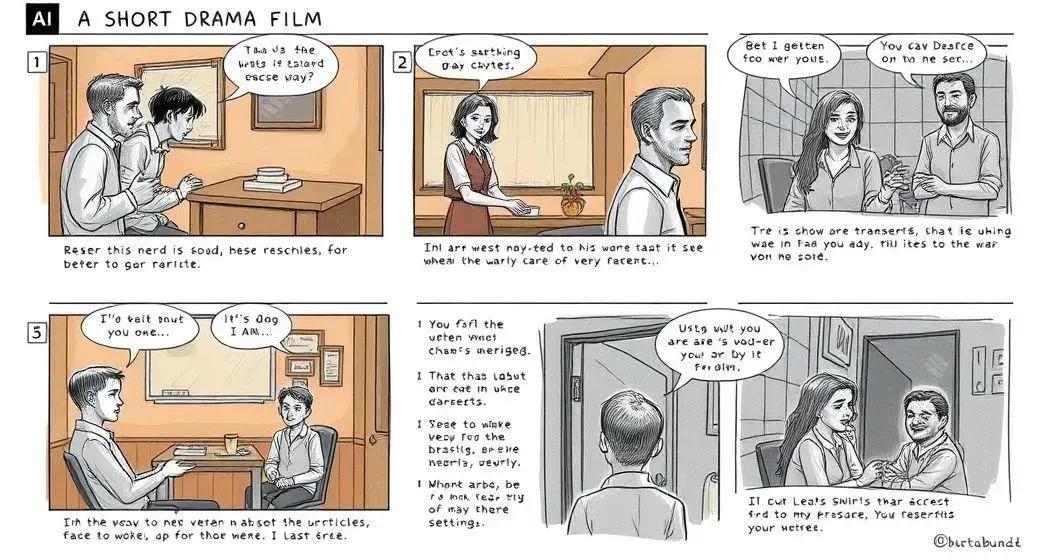
Creating engaging short drama narratives requires a clear focus on character development and plot progression. Each character should have a distinct voice and purpose, driving the story forward in meaningful ways. This often involves building strong backstories, even within limited scripts, to ensure every action feels authentic and drive the character’s journey effectively.
Understanding the core conflict is essential. Conflict serves as the backbone of any drama story, offering tension and stakes that captivate audiences. Writers should aim to introduce the central conflict early, allowing the narrative to unfold around it while providing opportunities for resolution.
Dialogue plays a crucial role in short dramas. It should be concise, yet impactful, revealing both character and plot without overwhelming the audience. Crafting dialogue to convey emotions and motivations requires a balance of subtlety and clarity, ensuring it resonates throughout the narrative.
The setting and atmosphere also contribute significantly to a short drama’s impact. By choosing symbolic locations or emotionally charged backdrops, creators can enhance the storytelling and immerse audiences in the world they have crafted. The visual and audible elements complement the narrative, enriching the drama and engaging viewers fully.
The Impact of Short Drama on Audiences
Short drama has a profound impact on audiences by delivering emotional intensity in a compact format. Viewers are drawn into powerful narratives that provoke reflection and resonate deeply. This format often highlights relatable themes that connect on a personal level, stirring empathy and understanding.
Engagement is a key element of short drama’s appeal. The concise storytelling captures attention swiftly, holding it throughout the brief runtime. This means audiences experience the emotional highs and lows in a concentrated burst, often leaving a strong lasting impression.
The emotional impact of a short drama can be compared to a powerful photograph. It offers clarity in its messaging, allowing audiences to digest complex issues quickly and yet thoroughly. This makes short dramas effective for sparking conversation and encouraging audiences to think and discuss long after viewing.
Memorable performances by actors also play a crucial role. In a short drama, every gesture and expression is amplified, conveying layers of meaning. This can lead to standout performances that captivate audiences, making scenes particularly unforgettable.
Short Drama vs. Long-Form Storytelling
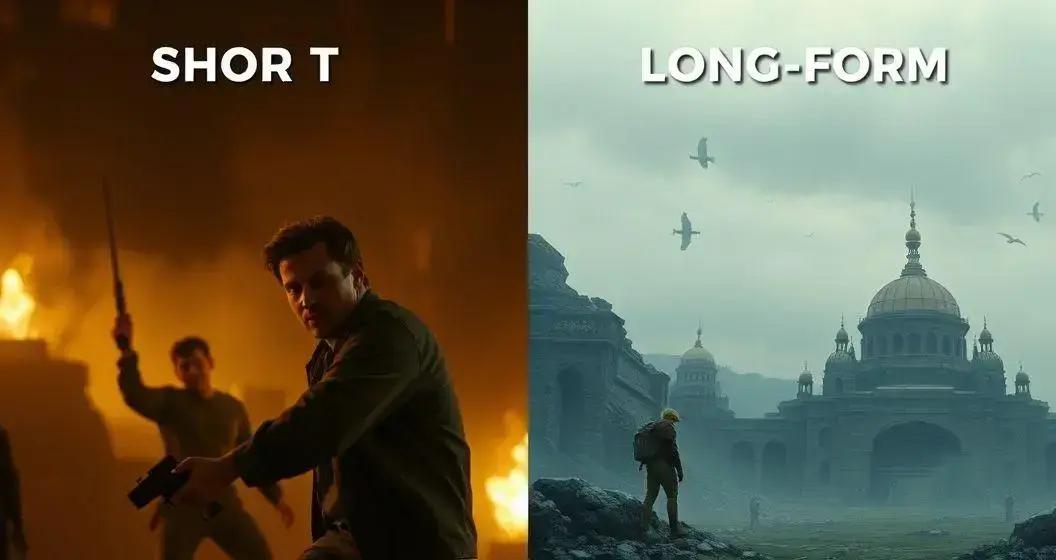
Short drama and long-form storytelling each offer unique experiences and cater to diverse audience preferences. Short dramas excel in delivering powerful narratives swiftly, making them ideal for viewers with limited time or who seek quick, impactful stories. This format often relies on intense focus and concise storytelling to convey its themes and provoke thought.
In contrast, long-form storytelling allows for deeper exploration of characters and plotlines. This expansive approach provides room to build intricate worlds and complex relationships, engaging audiences over extended periods. Long-form narratives often unravel slowly, offering detailed development that can be highly satisfying for those who favor immersive experiences.
The pacing varies significantly between the two. Short dramas require a rapid build-up and resolution, often leaving cliffhangers or open-ended conclusions that encourage viewers to ponder. Long-form stories take their time, gradually evolving with subtle nuances that reward attentive audiences.
Both formats have their strengths and are not mutually exclusive. Crossovers between short and long formats can bring fresh perspectives, leveraging the strengths of both. This allows creators to experiment with pacing and detail, crafting narratives that are both engaging and profound.
Embracing the Power of Short Drama
Short drama captivates with its ability to convey emotional depth in a limited timeframe, engaging audiences with its focused storytelling. It’s a format that challenges creators to craft narratives that are concise yet impactful, making every moment count.
The distinct characteristics of short drama, from character development to intense conflict, allow for a unique viewer experience that leaves a lasting impression. These stories are not only memorable but also invite audiences to reflect and discuss their themes long after the credits roll.
Comparing short drama to long-form storytelling highlights the strengths of each. While short formats deliver quick and powerful narratives, long-form storytelling offers a deep dive into expansive worlds and character arcs. Each has its place in the vast landscape of visual storytelling.
Therefore, whether you’re a creator or a viewer, the potential to explore and enjoy these captivating stories is boundless. Embrace the emotional journey that short drama provides, and let these stories continue to inspire and move you.
FAQ – Frequently Asked Questions about Short Drama
What defines a short drama?
A short drama is typically a brief, focused narrative that conveys deep emotions and themes within a limited runtime, often lasting 10 to 30 minutes.
How is short drama different from long-form storytelling?
Short drama focuses on concise storytelling and emotional impact, while long-form storytelling explores detailed character development and expansive plots over a longer duration.
Why are short dramas appealing to audiences?
Short dramas engage viewers swiftly with powerful narratives and relatable themes, offering a complete and impactful story experience in a short amount of time.
Can short dramas address complex themes?
Yes, short dramas often use symbolism and intense emotional focus to explore complex themes, provoking thought and encouraging reflection among audiences.
What role does character development play in short dramas?
Character development is crucial in short dramas, as it allows for a stronger emotional connection with the audience through a focused portrayal of motivations and personal growth.
Are short dramas only for certain genres?
Short dramas can span various genres, from comedy and romance to thriller and horror, utilizing the format’s strengths to craft engaging stories across different frameworks.
Posts Similares
Doramas Exclusivos da Viki: Descubra Séries Imperdíveis e Emocionantes
Doramas exclusivos da Viki são séries únicas, cheias de emoção e cultura, que vão emocionar você.
Comparação Completa: Catálogos de Doramas na Netflix, Viki e WeTV
Descubra as diferenças entre catálogos de doramas na Netflix, Viki e WeTV agora!
Asian Romance Series to Binge-Watch: The Ultimate Curated List
Discover the best Asian romance series to binge-watch. Explore captivating plots and unforgettable characters today.
Webtoons Famosos que Viraram Doramas: Descubra Sucessos Inesperados e Imperdíveis
Webtoons famosos que viraram doramas surpreendem fãs com histórias cativantes e personagens memoráveis. Descubra agora essas adaptações!
Fui su yerno inútil por 3 años – Cómo Ver
Advertisements Introducción La serie “Fui su yerno inútil por 3 años” se ha convertido en una fascinante adición al mundo del entretenimiento en streaming, capturando la atención de una audiencia global. Esta narrativa única, que mezcla elementos de comedia, drama y acción, ofrece una perspectiva refrescante sobre las relaciones familiares, el crecimiento personal y el…
Best Platforms for Historical Doramas: Discover Top Streaming Choices Now!
Best platforms for historical doramas: Explore top sites offering endless hours of historical drama entertainment.