Movies: Captivating Stories and Unforgettable Cinematic Experiences Await
Advertisements
Movies are a powerful medium that shape cultural norms and inspire societal change. Through storytelling and cinematic techniques, films influence fashion, language, and trends while providing education and inspiration, making them an essential force in both entertainment and social discourse.
**Movies** have the power to transport audiences into different worlds, offering both entertainment and education. From heart-pounding action sequences to emotional dramas, movies touch every aspect of human emotion. This post explores the intricate art of storytelling, the evolution of cinematic techniques, the diversity of genres, and their impact on our society. Join us on this journey through the mesmerizing world of cinema.
The Art of Storytelling in Movies
The art of storytelling in movies is a skill that blends vision, creativity, and technique. Directors and screenwriters craft stories that connect emotionally with audiences, using visuals and dialogue to bring scripts to life.
Characters are at the heart of any movie. A strong character can carry a film from start to finish, making audiences laugh, cry, or think deeply. Whether it’s a hero’s journey or a complex anti-hero narrative, character development drives the plot.
Visual Storytelling Techniques
Visual elements like camera angles, lighting, and color often speak louder than words. A well-crafted scene can build tension or establish a poignant atmosphere, transporting viewers into the narrative.
Sound also contributes significantly to storytelling. From a well-chosen soundtrack that evokes emotion to sound effects that enhance realism, each element is designed to complement the story.
Screenwriting: The Blueprint
Screenwriting provides the foundation of a movie. A compelling script aligns the storyline, dialogue, and pacing, ensuring the film’s message resonates with the audience. Great screenwriters know how to weave plots that keep viewers engaged from start to finish.
The Evolution of Cinematic Techniques
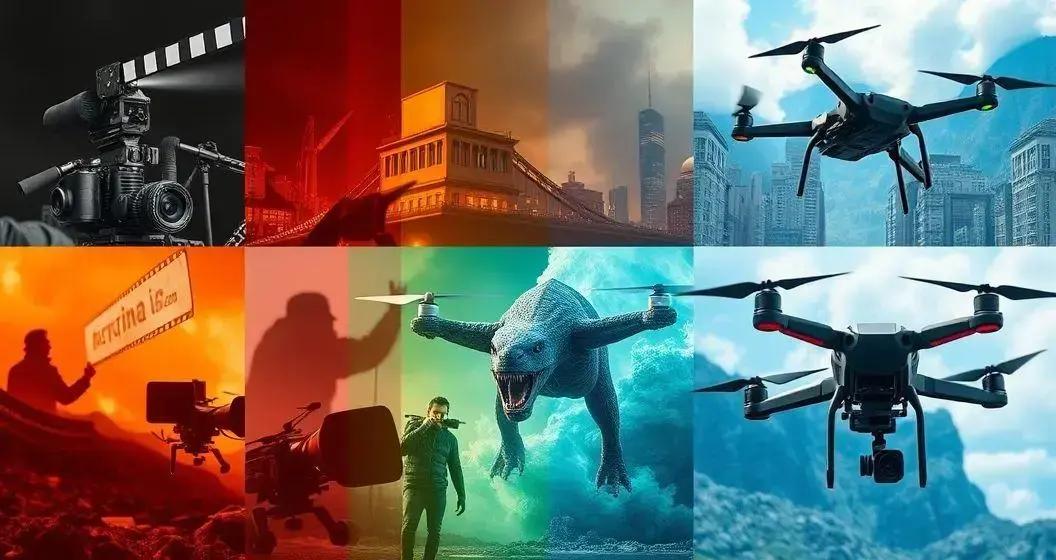
The evolution of cinematic techniques has transformed the way stories are told on the big screen. From black and white films to vibrant color displays, each advancement has added depth to movie experiences.
One of the earliest breakthroughs was synchronized sound, which brought talkies to theaters. This leap allowed for more dynamic storytelling, where dialogue could enhance plot and character development.
Special Effects and CGI
Special effects have come a long way since the early days. Computer-generated imagery (CGI) created new possibilities, enabling filmmakers to design fantastical worlds and lifelike creatures.
Practical effects also play a crucial role, often adding a sense of realism that CGI sometimes lacks. The combination of both techniques creates a balanced and immersive viewing experience.
Innovative Camera Work
Camera techniques have evolved significantly, with handheld shots and aerial drones offering fresh perspectives. These tools allow filmmakers to capture scenes in innovative ways, enhancing visual storytelling.
Iconic Movie Genres and Their Influence
Iconic movie genres have shaped the film industry, influencing countless films and captivating audiences worldwide. Each genre offers unique elements that appeal to different tastes and preferences.
Thrillers, filled with suspense and tension, keep viewers on the edge of their seats. This genre explores themes of danger and intrigue, often featuring plot twists that surprise audiences.
Comedy and its Universal Appeal
Comedy brings laughter and joy, providing an escape from everyday life. From slapstick humor to witty banter, comedies have a broad appeal, bringing people together through shared laughter.
Action films deliver heart-pounding excitement with high-speed chases, explosive stunts, and fierce battles. The adrenaline rush and spectacle make this genre a crowd favorite.
Drama and Emotional Depth
Dramas delve into the complexities of human emotion, often portraying deep, personal stories that resonate with viewers. These films explore themes like love, loss, and redemption, offering relatable stories.
The Impact of Movies on Society
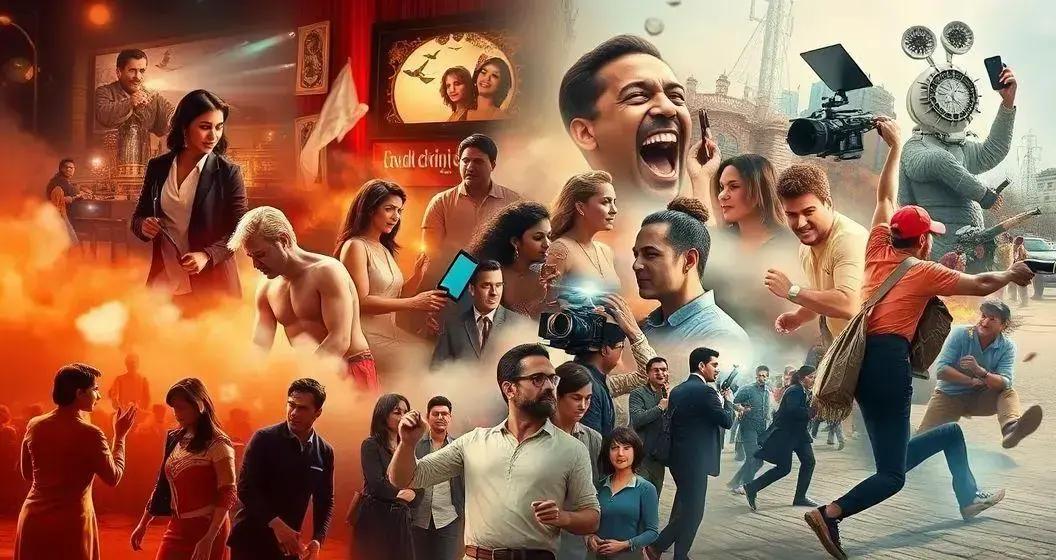
Movies have a profound impact on society, shaping cultural norms and influencing social change. Films can reflect societal issues and challenge audiences to think critically about their world.
Cinematic representations often start conversations about topics like race, gender, and class. Documentaries in particular highlight important issues, bringing awareness and driving change.
Influence on Trends and Fashion
Movies set trends in fashion and lifestyle, often seen in iconic characters. From James Bond’s classic style to modern superhero attire, films inspire real-world fashion.
The language and phrases used in movies can also become part of everyday speech, illustrating the medium’s cultural impact.
Educational Value and Inspiration
Films also educate and inspire, introducing audiences to different cultures and historical events. They can encourage empathy and understanding, bridging cultural gaps.
Movies: A Lasting Impact on Our World
Movies captivate audiences with compelling stories and unforgettable cinematic experiences. Through their artistry, they drive societal change and influence cultural trends.
The evolution of cinematic techniques, from groundbreaking storytelling to technological advancements, has enriched the viewer experience and extended the reach of films across the globe. As genres continue to evolve, they shape our world in tangible ways, bringing laughter, excitement, and deep reflection.
By embracing diverse narratives and innovative styles, movies educate, inspire, and unite people. Whether shining a light on societal issues or sparking imaginations, the impact of movies on society remains profound.
The ongoing journey of cinema ensures that it will continue to be a powerful force for cultural expression and connection.
FAQ – Frequently Asked Questions about Movies and Their Influence
How do movies influence societal change?
Movies reflect societal issues and initiate conversations, inspiring audiences to think critically about social norms and driving change.
What role do cinematic techniques play in storytelling?
Cinematic techniques such as sound, camera work, and special effects enhance storytelling by creating immersive and dynamic visual experiences.
Why are movie genres significant?
Movie genres provide diverse narratives that cater to different tastes, influencing cultural trends and offering various forms of entertainment.
In what ways do films impact fashion and language?
Movies set fashion trends with iconic character styles and introduce phrases that become part of everyday language, illustrating their cultural impact.
How do movies educate and inspire audiences?
Films introduce viewers to different cultures and historical events, fostering empathy, understanding, and a broader cultural perspective.
Posts Similares
Fui su yerno inútil por 3 años – Cómo Ver
Advertisements Introducción La serie “Fui su yerno inútil por 3 años” se ha convertido en una fascinante adición al mundo del entretenimiento en streaming, capturando la atención de una audiencia global. Esta narrativa única, que mezcla elementos de comedia, drama y acción, ofrece una perspectiva refrescante sobre las relaciones familiares, el crecimiento personal y el…
Doramas de vingança com finais impactantes: Descubra os que vão te surpreender
Doramas de vingança com finais impactantes: Conheça as melhores histórias que irão emocionar e surpreender.
Mini Drama: Discover the Intrigue Behind Bite-Sized Storytelling
Mini drama captivates with concise intrigue, delivering impactful storytelling in small doses that spark emotions and engage audiences.
Produção e orçamento: K-drama vs J-drama – Descubra as Diferenças Chocantes!
Produção e orçamento: K-drama vs J-drama – explore como a estrutura financeira influencia suas histórias e estilos únicos.
Análise de Doramas Populares: Descubra os Mais Vistos e Amados do Momento
Análise de doramas populares: veja os títulos mais vistos e o impacto cultural dos dramas asiáticos.