Hotel Del Luna Drama Analysis: Enchanting Storyline and Compelling Characters
Advertisement
Hotel Del Luna is a captivating Korean drama that combines enchanting storytelling with rich cultural themes and visual elegance. It follows Jang Man-wol’s journey of redemption in a mystical hotel, offering insights into Korean folklore, profound character development, and artistic cinematography, making it a must-watch series.
**Hotel Del Luna** is a captivating South Korean drama that has captured the hearts of viewers worldwide. In this article, we will explore the mystical world crafted within this series, focusing on its enchanting storyline and compelling characters. Hotel Del Luna offers a unique blend of fantasy and reality, providing viewers with not just entertainment but also cultural insights and stunning visuals. Let’s delve into the magical narrative and uncover what makes this drama a must-watch.
Exploring the Mystical World of Hotel Del Luna
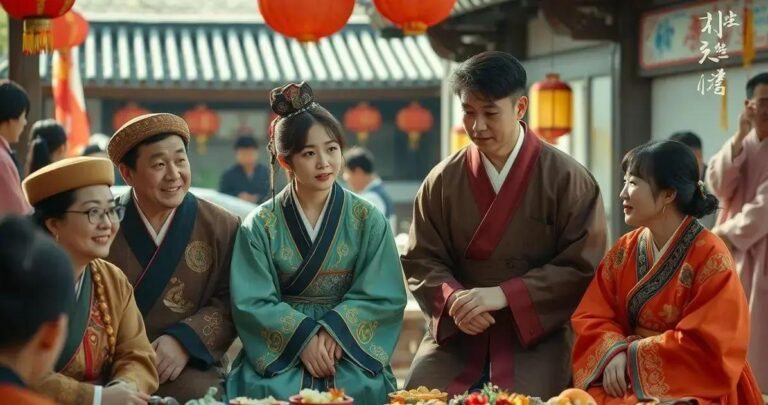
The world depicted in Hotel Del Luna is rich with mysticism and enchantment, immersing viewers in a realm where the supernatural intertwines with the everyday. The hotel serves as a mystical way-station for wandering souls, offering a place of rest to those who cannot move on. The visual representation of the hotel, from its grandiose architecture to its eerie yet inviting atmosphere, captivates the audience, creating a sense of otherworldly intrigue.
The Enchantment of Hotel Del Luna
The allure of Hotel Del Luna lies in its historical charm and timelessness. Different eras and styles blend seamlessly to create a setting that feels both ancient and contemporary. The careful attention to set design and props adds depth to every scene, providing subtle cues about the hotel’s long and storied past.
Supernatural Elements
The series showcases a remarkable coexistence between humans and spirits, crafting encounters that are both heartwarming and chilling. Each spirit story introduces unique aspects of Korean folklore, giving insight into cultural beliefs and practices. The supernatural guests, each with their own unfinished business, not only drive the plot but also offer poignant commentary on life and afterlife.
The intrigue is enhanced by the mysterious and charismatic staff, led by the enigmatic hotel owner, who add layers of complexity to the narrative. Their interactions with both human guests and spirits create a vibrant tapestry of stories that keep the viewers enraptured and yearning for more. Thus, the mystical world of Hotel Del Luna is not just a backdrop but a dynamic character in itself, contributing significantly to the show’s enduring appeal.
Character Development in Hotel Del Luna
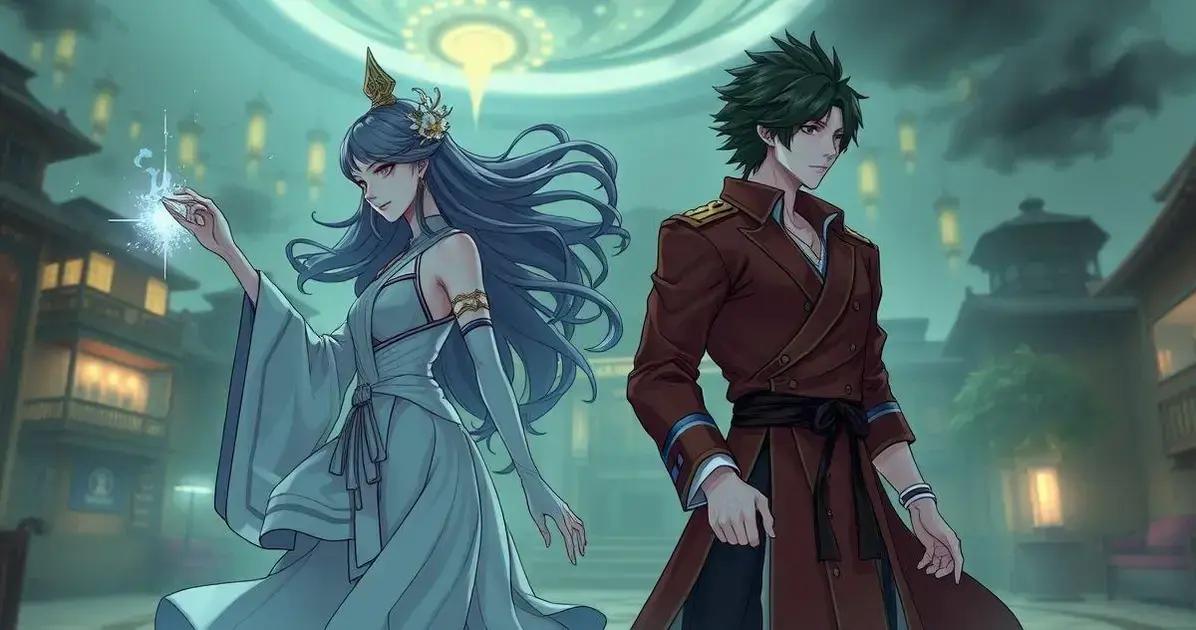
The characters in Hotel Del Luna exhibit profound development throughout the series, providing depth and engagement. The enigmatic owner, Jang Man-wol, is portrayed with complexity and growth. Her journey from a vengeful spirit tied to past grievances to someone who learns forgiveness and love is a testament to the show’s compelling writing.
Jang Man-wol’s Intricate Evolution
Jang Man-wol starts as a cold, detached character, her immortal life marked by solitude and grudges. As the series progresses, her interactions with others, particularly the male lead, leads to her transformation. Her backstory reveals why she guards her heart, and viewers witness her gradual acceptance of vulnerability.
Goo Chan-sung’s Transformation
Goo Chan-sung, the reluctant hotel’s new manager, experiences his own path of growth. Initially skeptical and fearful, he steps into a world of spirits and magic. His relationship with Jang Man-wol evolves from skepticism to profound connection, demonstrating themes of trust and self-discovery.
Supporting characters, including the ghostly hotel staff, contribute to the story’s richness. Each has a unique backstory and purpose, representing themes of regret, redemption, and unfulfilled desires. Their narratives are as immersive as the main storyline, adding layers to the enchanting world of Hotel Del Luna.
Visual and Cinematic Elegance of Hotel Del Luna
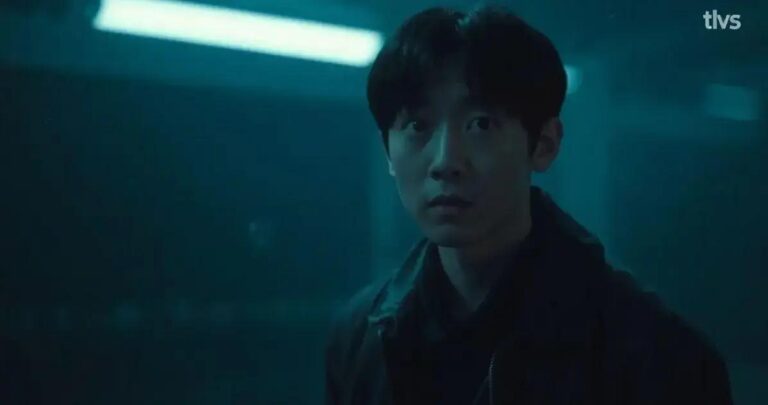
Hotel Del Luna is renowned for its stunning visual and cinematic elegance, which elevates the storytelling to new heights. The series uses a rich color palette to distinguish between different moods and times, offering viewers an immersive experience. The combination of vibrant colors and shadows plays a crucial role in creating the mystical atmosphere of the hotel.
Cinematic Techniques and Effects
From the sweeping aerial shots of the hotel’s exterior to the intimate close-ups of characters’ expressions, the cinematography reflects a mastery of visual storytelling. Special effects, subtly integrated, add layers of supernatural allure without overshadowing the narrative. The careful alteration between reality and fantasy in scenes engages the audience and enhances immersion.
Attention to Set and Costume Design
The opulent set design showcases exquisite detail, merging contemporary and historical styles. Each room within the hotel tells its own story, evoking curiosity and drama. Costumes are equally significant, often reflecting the character’s eras and emotional states. Man-wol’s wardrobe, in particular, is a visual treat, highlighting her grandeur and transformation over time.
Lighting adds an ethereal quality, with dim, glowing lights enhancing the spectral ambiance of the hotel. The use of light and shadow not only beautifies scenes but emphasizes character development and pivotal moments. It’s a testament to how Hotel Del Luna seamlessly intertwines visual artistry with narrative depth.
Cultural Themes and Symbolism in Hotel Del Luna
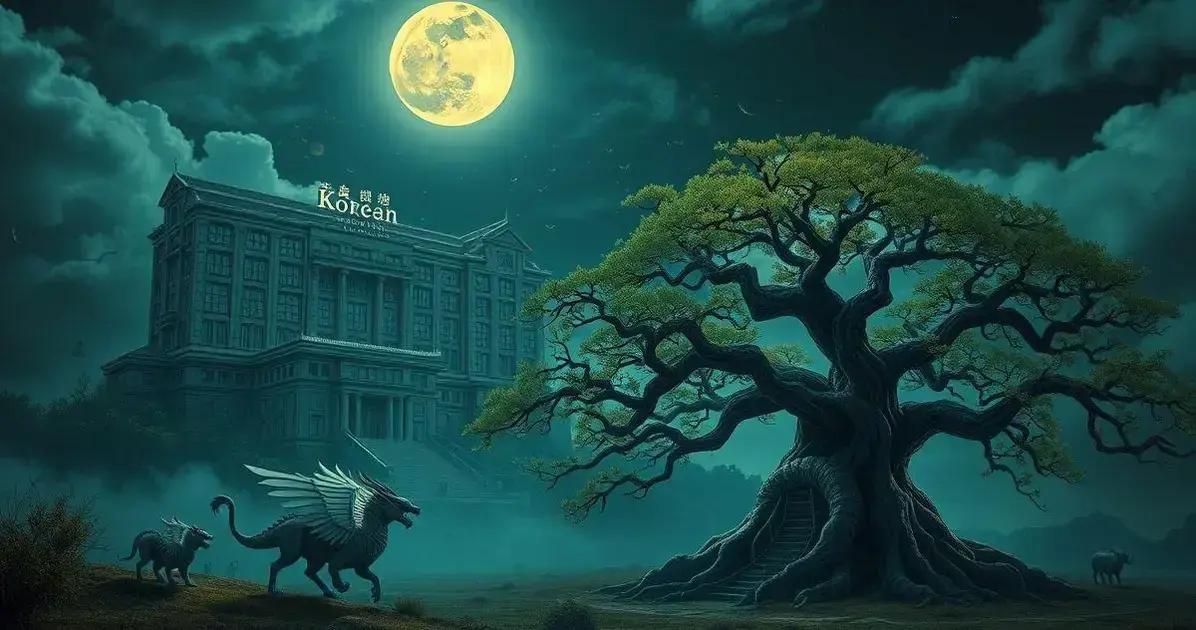
Hotel Del Luna weaves intricate cultural themes and symbolism throughout its narrative, offering viewers a glimpse into Korean folklore and myth. The hotel itself symbolizes a liminal space between life and afterlife, where unresolved issues and deep-seated regrets are addressed. This theme of transience mirrors broader cultural notions about life cycles and the process of letting go.
Symbolism of the Moon
The recurring motif of the moon is central to the narrative, symbolizing change, phases, and emotional tides. Man-wol’s own name, which translates to full moon, underscores her connection to this celestial body, suggesting a perpetual cycle of renewal and reflection. The moon phases resonate with her personal journey of redemption and transformation.
Folklore and Mythological References
Throughout the series, various Korean mythological creatures and stories are skillfully integrated, enriching the plot. Figures such as dokkaebi (goblins) and gwisin (ghosts) remind viewers of these traditional tales and their moral lessons. The portrayal of these beings in the hotel setting serves as a narrative tool for exploring themes of justice, catharsis, and cultural integrity.
The cultural significance of objects, such as Man-wol’s tree, symbolizes endurance and the passage of time. The tree, often shown in parallel with her emotions, blooms and withers, reflecting her internal state. Such elements deepen the narrative, aligning personal growth with cultural heritage, making Hotel Del Luna not only a story of personal redemption but also a tribute to enduring cultural narratives.
Reflecting on the Enchanting World of Hotel Del Luna
Hotel Del Luna offers a unique blend of enchanting storytelling, profound character development, and rich cultural themes that resonate with viewers. Its mystical setting and supernatural elements provide a captivating backdrop for exploring deeper emotional and philosophical narratives.
The series masterfully combines visual and cinematic elegance with the intricate dynamics of personal growth and redemption. From Jang Man-wol’s intriguing journey to the profound symbolism of the moon and the cultural myths, every aspect of the drama is crafted with care and intention.
With its stunning visuals, compelling characters, and thoughtful exploration of cultural themes, Hotel Del Luna stands as a testament to the power of storytelling. It’s not just a visual feast but an emotional journey that encourages reflection on life’s fleeting nature and the possibility of hope and redemption beyond life’s challenges.
Ultimately, Hotel Del Luna leaves a lasting impact, reminding us of the beauty in transformation and the enduring relevance of cultural narratives in understanding our shared human experience.
FAQ – Common Questions about Hotel Del Luna
What is the main storyline of Hotel Del Luna?
Hotel Del Luna follows the story of an enigmatic hotel owner, Jang Man-wol, who oversees a mystical hotel catering to spirits with unresolved issues.
How does the visual and cinematic style of Hotel Del Luna enhance the series?
The series uses a rich color palette and artistic cinematography to create a mystical atmosphere, enhancing the storytelling with compelling visual effects.
What are some key cultural symbols and themes in Hotel Del Luna?
Key cultural symbols include the moon and mythological creatures, reflecting themes of transformation, redemption, and the interplay between life and the afterlife.
How do characters in Hotel Del Luna develop throughout the series?
Characters, particularly Jang Man-wol and Goo Chan-sung, experience profound growth, evolving from initial skepticism and detachment to finding redemption and connection.
What role does Korean folklore play in Hotel Del Luna?
Korean folklore enriches the narrative with mythical creatures and legends, offering insights into cultural beliefs and the moral lessons intertwined with each episode.
Posts Similares
Doramas that Authentically Showcase Korean Culture: Must-Watch Series Revealed
Doramas that authentically showcase Korean culture offer a unique insight through compelling stories and captivating characters.
Amnesia Clichés in Dramas: Unraveling the Most Common Tropes
Explore Amnesia Clichés in Dramas, uncovering common tropes that keep audiences hooked in Korean series.
Como assistir: Casamento Blindado
Advertisement Numa época em que o amor e a ambição colidem, Casamento Blindado: Um Contrato de Natal brilha como um dos dramas curtos mais comoventes da ReelShort. Ambientado sob o brilho das luzes de Natal e as intrigas corporativas, ele conta a história de duas pessoas unidas por um contrato — mas destinadas a descobrir…
Doramas Populares: Descubra os Mais Amados Pelos Fãs
Análise de doramas populares: os dramas coreanos mais amados por fãs e críticos detalhados aqui. Leia agora!
Best Korean Series to Binge-Watch: Discover Top Picks for Your Next Marathon
Best Korean Series to Binge-Watch in 2023: Your ultimate guide to the top Korean series perfect for a binge session.
Recommended Short Doramas: Must-Watch Korean Dramas Under 10 Hours
Recommended short doramas offer a delightful binge-watch experience packed with drama and excitement in under 10 hours.