
Korean Drama Tropes: Unveiling the Charm Behind Popular TV Shows
Advertisement
Korean drama tropes, such as complex love stories, intricate family dynamics, and inspirational ‘rags to riches’ narratives, captivate audiences with their emotional depth and cultural richness. These elements make Korean dramas universally appealing, offering a unique blend of relatable stories and compelling character development.
**Korean drama tropes** have a way of drawing viewers into their world, with elements that are both predictable and enchanting. These shows often feature **love stories** woven with rich family **dynamics** and the ever-popular **’rags to riches’ theme**. Through these recurring motifs, Korean dramas build a comforting familiarity that keeps fans coming back for more. Let’s delve into how these tropes captivate audiences around the globe.
Common Love Story Tropes in Korean Dramas
In Korean dramas, love story tropes are an essential element that keeps viewers hooked. One prevalent trope is the ‘love triangle’, where two characters are vying for the affection of the third. This brings tension and excitement, as audiences become invested in the dynamics and outcomes of the relationships.
The ‘Enemies to Lovers’ Trope
Another popular trope is the ‘enemies to lovers’ storyline. Initially, the characters clash and misunderstand each other, leading to comedic situations. However, over time, these adversities transform into mutual respect and love, showing how barriers can be overcome through understanding.
The ‘Fated Love’ Trope
The concept of ‘fated love’ or destiny is also common. Characters often find themselves intertwined by destiny, whether through childhood connections or celestial events. This trope highlights how love is meant to be and prevails against all odds.
The use of these love story tropes in Korean dramas creates a predictable yet enjoyable experience, as fans anticipate the journey of the characters. These elements ensure that each scene is filled with emotion and keeps audiences coming back for more.
The Role of Family Dynamics in Korean Drama Tropes
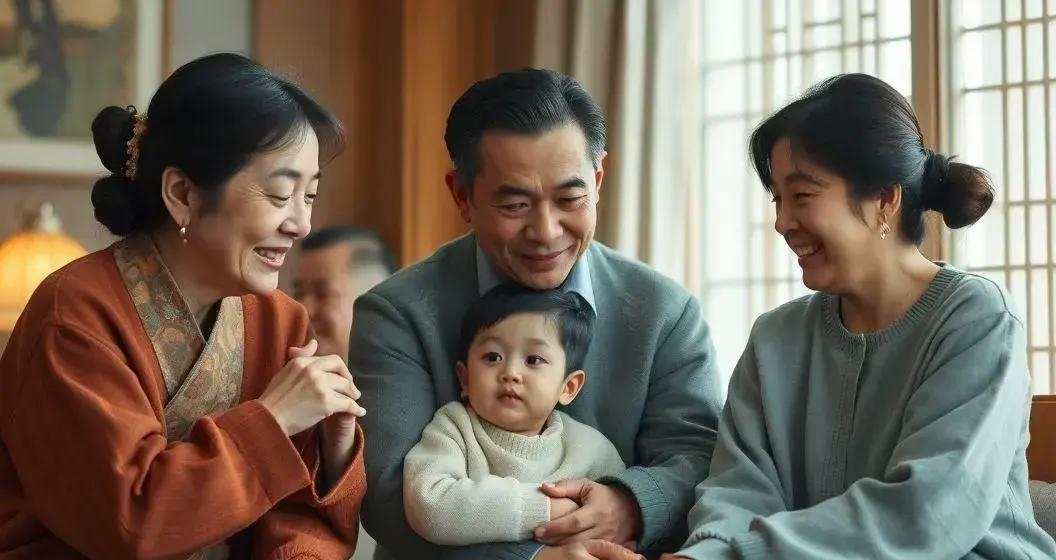
In many Korean dramas, family dynamics play a crucial role in shaping the narrative and characters. These dramas often highlight the intergenerational conflicts between parents and children, reflecting societal expectations and traditional values. This dynamic creates tension as characters navigate their personal desires against family obligations.
The Influence of Patriarchal Families
Another prevalent theme is the influence of patriarchal families, where the father’s authority dominates family decisions. This often leads to dilemmas for younger characters forced to comply with decisions for the sake of family honor, adding layers of complexity to the plot.
Supportive Family Bonds
Despite conflicts, supportive family bonds are also a significant trope. Characters find strength and resilience through their family, illustrating how love and loyalty within the family unit can overcome hardships. These bonds often serve as the backbone of the narrative, highlighting the universal importance of family.
By incorporating these family dynamics, Korean dramas delve into deep-rooted cultural values and universal themes of love, conflict, and ultimately, reconciliation, making them relatable to audiences around the world.
Exploring the ‘Rags to Riches’ Theme in Korean Dramas
The ‘rags to riches’ theme is a cornerstone in many Korean dramas, portraying characters’ journeys from poverty to prosperity. These narratives often begin with protagonists facing daunting hardships, living in modest circumstances but possessing an indomitable spirit.
The Journey of Hard Work and Perseverance
Central to this theme is the journey of hard work and perseverance. Characters typically rise to success through determination, showcasing their ability to overcome adversity. This trajectory offers viewers hope and inspiration, emphasizing resilience as a key to success.
Challenges and Sacrifices
Along the way, characters encounter challenges and sacrifices, adding depth to their storylines. Whether through personal loss or difficult decisions, these obstacles underscore the cost of achieving one’s dreams, making their eventual success more fulfilling.
The ‘rags to riches’ theme resonates universally, symbolizing that dreams can be realized despite initial circumstances. By watching these narratives unfold, audiences are reminded of the transformative power of ambition and hard work, reflective of broader cultural aspirations.
Conteúdo não disponível
FAQ – Frequently Asked Questions About Korean Drama Tropes
What makes Korean drama love stories so engaging?
Korean drama love stories engage viewers through intricate plots like love triangles and enemies-to-lovers, offering emotional depth and captivating twists.
How do family dynamics influence Korean drama narratives?
Family dynamics, such as intergenerational conflicts and supportive bonds, add complexity and drive character development in Korean drama narratives.
What is the ‘rags to riches’ theme in Korean dramas?
The ‘rags to riches’ theme showcases characters overcoming hardships through perseverance and hard work, inspiring audiences with tales of success.
Why are Korean dramas popular worldwide?
Korean dramas combine rich cultural storytelling with universal themes like love, conflict, and personal growth, appealing to audiences globally.
Do Korean dramas feature common cultural values?
Yes, Korean dramas often incorporate cultural values such as family importance, respect for elders, and societal pressure, offering insights into Korean society.
Posts Similares
Divorciada no Dia do Casamento – Como Assistir
Advertisement Introdução A série “Divorciada no Dia do Casamento” tem capturado a atenção de muitos espectadores com sua trama envolvente e personagens marcantes. Disponível na plataforma DramaBox, esta série é uma excelente escolha para quem busca um drama rico em reviravoltas e emoção. A história gira em torno de uma mulher que, após ser deixada…
Netflix Korean Dramas Catalog: Must-Watch Titles to Binge
Netflix Korean Dramas Catalog: Discover a handpicked selection of your next binge-worthy shows and hidden gems.
Netflix K-drama: Discover Must-Watch Series and Hidden Gems Today!
Netflix K-drama offers thrilling series and hidden gems for viewers. Discover must-watch dramas and binge-worthy content now.
K-drama Love Stories: Dive Into the Romantic Charm of Korean Dramas
K-drama love stories captivate audiences with heartwarming romance and unforgettable characters. Discover your next favorite genre today.
Exclusive Netflix K-Dramas: Discover Must-Watch Series Only on Netflix
Exclusive Netflix K-Dramas offer unique storytelling. Discover the best dramas only available on Netflix now!
Clichés of Caricature Villains: Unveiling the Tropes Behind Cartoon Baddies
Clichés of Caricature Villains are often predictable yet fascinating. Discover the classic tropes used in villain portrayals.